
About Furoshiki, or fabric for 1001 uses
Japanese fabric wrapping art that combines tradition and sustainability
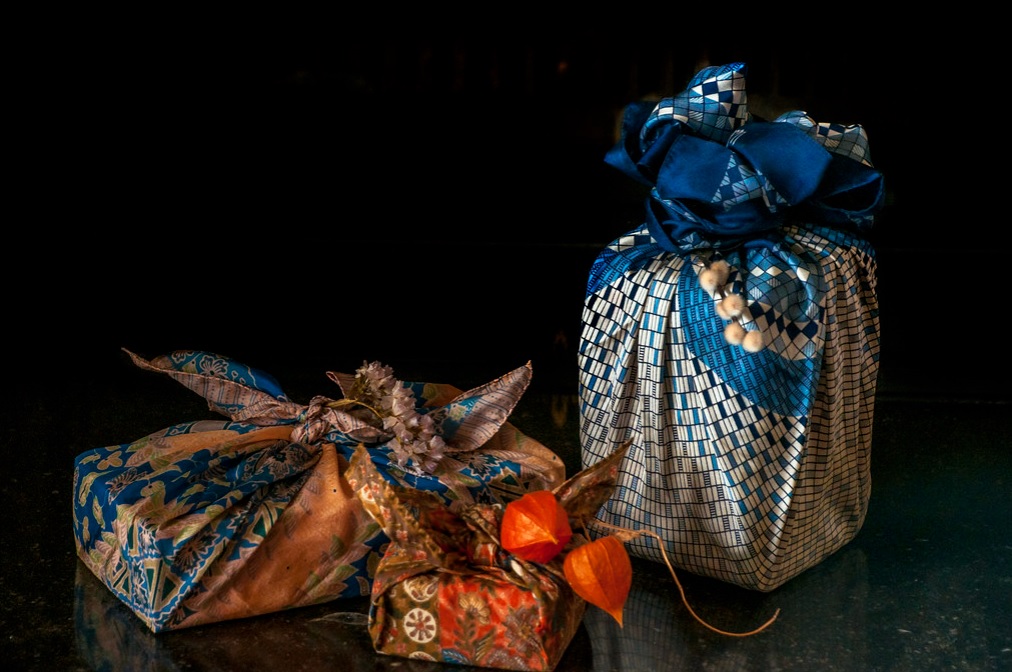
Furoshiki is a traditional Japanese wrapping technique that uses square pieces of cloth to wrap, carry, and protect various items. This method has its roots in Japan over a thousand years ago. However, furoshiki is also increasingly being used in the modern world as an eco-friendly alternative to plastic packaging and bags.
Source: Flickr.com
History and Present
The history of furoshiki dates back to the Heian period (794–1185), when fabrics were used to protect personal belongings. Furoshiki became popular during the Edo period (1603–1868) as marketplaces expanded, and people needed efficient ways to carry the goods they purchased there. Furoshiki was a simple, inexpensive, and functional solution that allowed for convenient transport.
Today, furoshiki is increasingly popular not only in Japan but also in other parts of the world, primarily due to growing interest in ecological and sustainable alternatives to plastic bags and packaging. Furoshiki is practical not only for gift wrapping but also for everyday use as a shopping bag or even as a scarf or tablecloth.
Types of Fabrics
Fabrics used for furoshiki vary according to purpose, season, and aesthetics. Luxurious and delicate silk is ideal for special occasions, such as weddings or gifts. Cotton is strong and durable, making it suitable for everyday use. Recently, synthetic materials are also used, which are waterproof and stain-resistant.

Types of Patterns
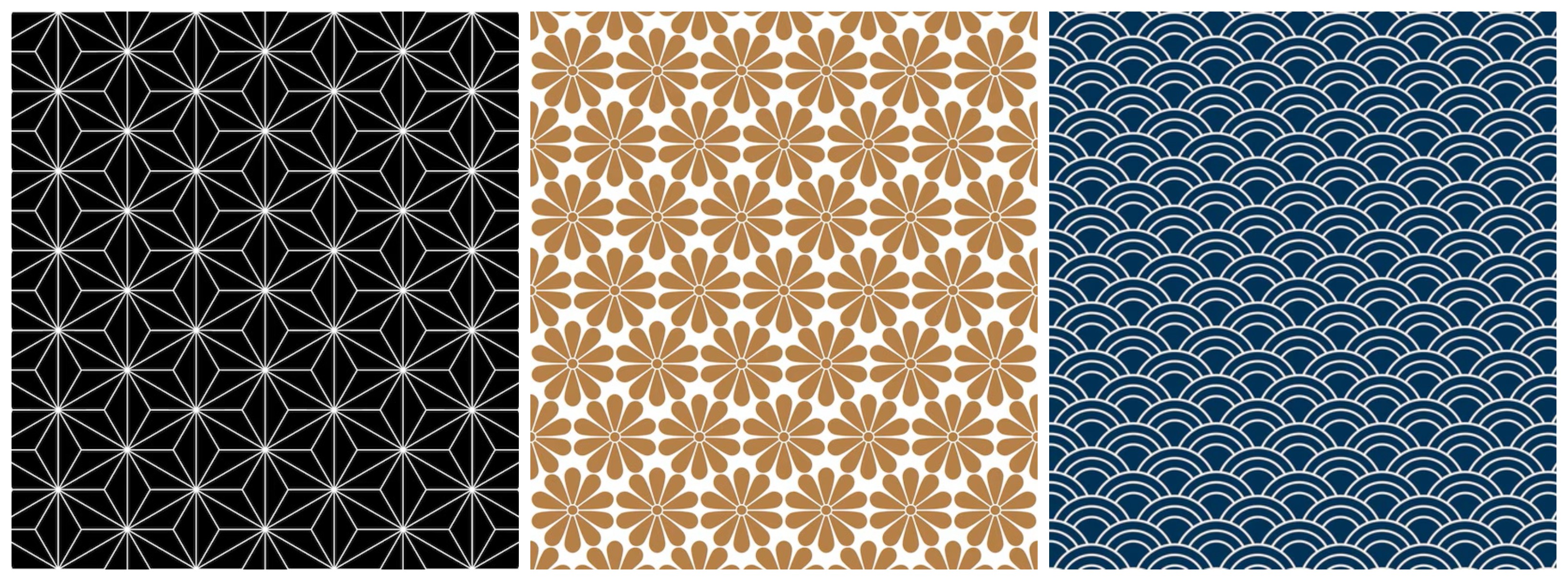
Fabrics also boast beautiful and diverse patterns. These can vary according to the season or occasion. Different patterns often have a deeper meaning that is part of Japanese culture. A description of the patterns would warrant an article of its own, so here I will mention at least three of my favorites:
Asanoha (hemp leaves) – this pattern is often associated with children and family celebrations, as it symbolizes growth and protection.
Kiku (chrysanthemums) – symbolize longevity and health. This pattern is popular during Japanese festivals and celebrations.
Seigaiha (sea waves) – a pattern resembling waves and symbolizing peace and happiness.
Source: Google
Fabric Tying Technique
There are a variety of techniques for tying fabric and using it for different purposes.
Gift wrapping – Furoshiki is ideal for gift wrapping because you can create a beautiful, unique package that also saves nature. You can easily wrap gifts of irregular shapes.
Bag – Furoshiki can also be used as a shopping bag. Simply tie the corners of the fabric correctly and create handles for easy carrying. You can also purchase special wooden handles to which you tie the fabric to create an elegant and practical fashion accessory.
Fashion accessory – you can simply fold the fabric and tie it around your neck or wrist.
Don't want to fold the fabric? Use it as a tablecloth or placemat.

HA-NA-MI and furoshiki
One of the cornerstones of my work from the beginning has been ecology. I focus on upcycling – I use old glass, porcelain, and textile scraps and give them new life. And at home, we wrapped gifts in fabric packaging before I even knew what furoshiki was :).
When I decided to have my own fabric yardage made with reproductions of my paintings, one of the main criteria for selection was that the fabric should have as many uses as possible. The choice fell on cotton sateen, from which we sew home textiles and fashion accessories, and which you can also perfectly use for gift wrapping. What's better than packaging that you can immediately tie around your neck or place on the table as a tablecloth?
